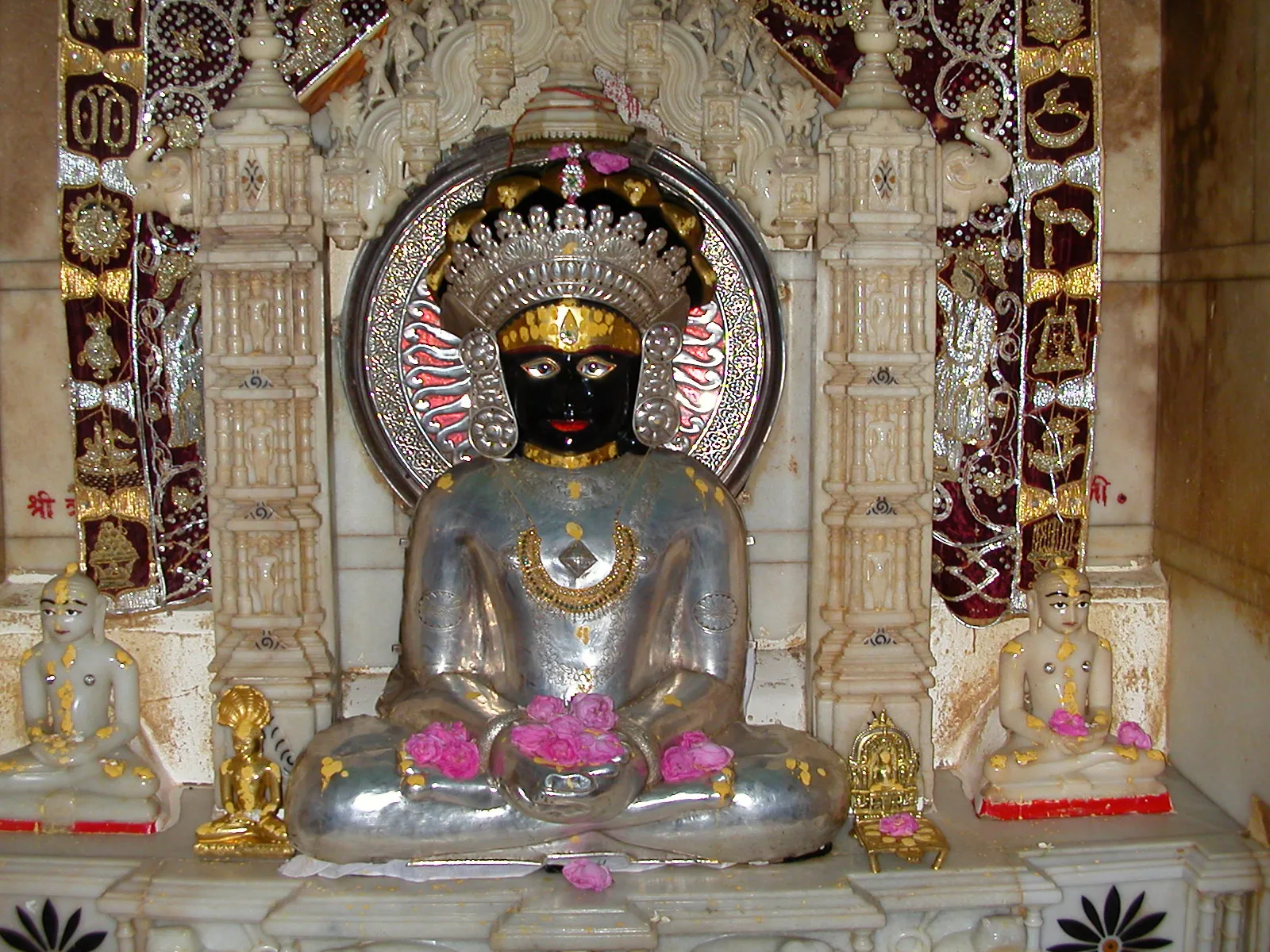
Sculpted Tirthankara form expressing meditative stillness

Chapter Five

Legacy &
Modern Relevance

The teachings of a twenty-eighth-century-old voice — translated into the ethics of today's leadership, work and life.

A teaching that has survived nearly three thousand years has not done so by accident. It has done so because, beneath the differences of language, culture and century, something in it answers a permanent question of the human condition. The teaching of Pārśvanātha — uncompromising compassion, disciplined truth, the conscious release of grasping — is not a historical curiosity. It is a working philosophy for a world that has rarely needed it more.

What follows is a translation, not of the text, but of the temperament. Each ancient vow, each meditative posture, each emblem of restraint carries an immediate application to the way we now lead organisations, conduct work, hold relationships and inhabit our brief participation in the world.
Ancient Vows · Modern Application

Seven Translations
for the Contemporary Mind

Seven domains in which the teaching of Pārśvanātha enters directly into the moral and operational fabric of modern life.

DOMAIN · 01

Ethical Leadership

To lead a team, an organisation, an institution is to make decisions that affect the lives of others. Pārśvanātha's vow of ahiṃsā — non-harm in thought, word and deed — is the original framework for what we now call ethical leadership: the discipline of measuring decisions not only by outcome but by their cost to those they touch.

DOMAIN · 02

Peaceful Living

Beneath the noise of public life, beneath the algorithmic acceleration of attention, the teaching points to an older possibility: a daily life ordered around stillness, restraint and the patient cultivation of inner quiet. Peaceful living is not the absence of activity; it is the presence of equanimity within it.

DOMAIN · 03

Non-Violence in Society

From dietary practice to language, from public discourse to economic structure, the principle of ahiṃsā opens a wide and exacting examination of how a modern society inflicts harm — often invisibly — and what it would take to lessen that harm at every layer.

DOMAIN · 04

Mindful Success

Achievement is not condemned in the Pārśva tradition; what is examined is the relationship to it. Mindful success is the practice of pursuing real excellence while remaining unbound by it — knowing the work, fulfilling the work, releasing the work.

DOMAIN · 05

Minimalism & Balance

The vow of aparigraha — non-possession — translates with extraordinary directness into the contemporary discipline of minimalism: the conscious editing of what one owns, accumulates and grasps for, and the recovery of clarity that follows it.

DOMAIN · 06

Spiritual Clarity in Business

The temptation in modern business is to compartmentalise — to separate the ethics of personal life from the operations of professional life. The Pārśva tradition refuses this division. The same vows govern both. Spiritual clarity at work is the steady refusal to make exceptions of oneself.

DOMAIN · 07

Compassionate Decisions

Every decision — strategic, financial, interpersonal — has a moral undertone. The discipline of asking, in the moment of decision, "whom does this harm, and whom does it help?" is the practical extension of the most ancient of Pārśva's teachings into the most modern of our environments.

DOMAIN · 08

Truthful Communication

In an age of marketed self-presentation, the vow of satya reasserts a quiet and difficult standard: to speak only what is true, what is necessary, and what is beneficial. The discipline of speech is, in this tradition, inseparable from the discipline of being.

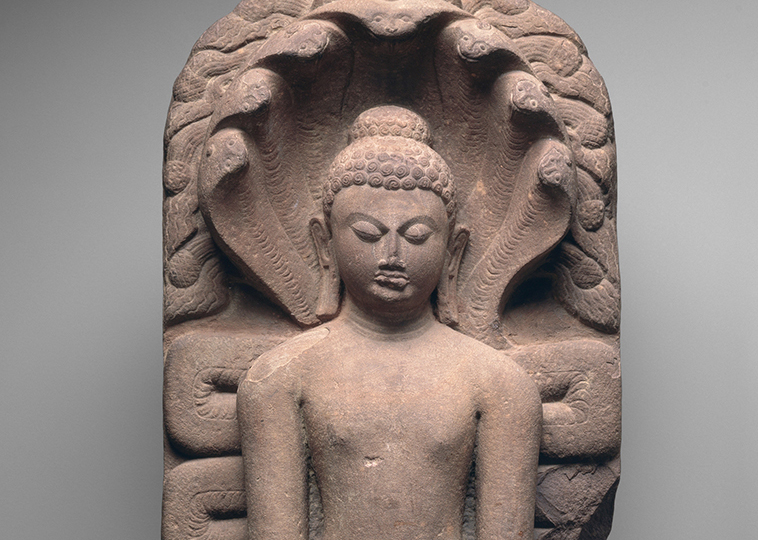
Sculpted Parshvanath Bhagwan as embodiment of meditative stillness

A Living Inheritance

The Pārśva temperament — within the modern hour.

What the world calls today "conscious leadership," "stakeholder ethics," "mindful enterprise" — these are recent names for a much older practice.

The teaching of Pārśvanātha was articulated long before the language of modern management, sustainability or wellness existed. Yet it anticipates each of them with quiet precision: that the way we own affects who we are; that the way we speak shapes the world we inhabit; that the way we treat the smallest creature is, finally, the way we treat ourselves.

To draw on this inheritance is not to retreat into antiquity. It is to recover an extraordinarily disciplined ethic at exactly the moment our institutions, technologies and relationships need it most.

“He spoke to a kingdom that no longer exists.
Yet his words still walk into every modern room.”
— On the Modern Relevance of Pārśvanātha
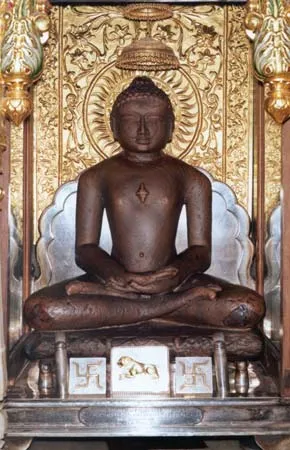
Iconic Parshvanath Bhagwan as enduring presence

An Eternal Path

The teaching is not behind us.
It is, quietly, beside us.

In Closing

A heritage you may carry,
not merely admire.

If a single sentence of Pārśvanātha's teaching enters the rhythm of your days — a moment of restraint before speech, an act of compassion that costs you something, an unhurried reverence for what is alive — then this tribute has done its quiet work.

Begin a Conversation