Pārśvanātha · 23rd Tīrthaṅkara

The Eternal Path of Compassion & Awakening

A curated heritage experience honouring Parshvanath Bhagwan — the twenty-third Tirthankara of Jainism — whose teachings of non-violence, truth and inner purity have illuminated Indian spiritual thought for nearly three millennia.

23rd Tirthankara of
Jain Tradition
VIIIc. Probable Historical
Figure · BCE
IV Foundational Vows
of Cāturyāma
Wisdom Carried
Beyond Mahāvīra
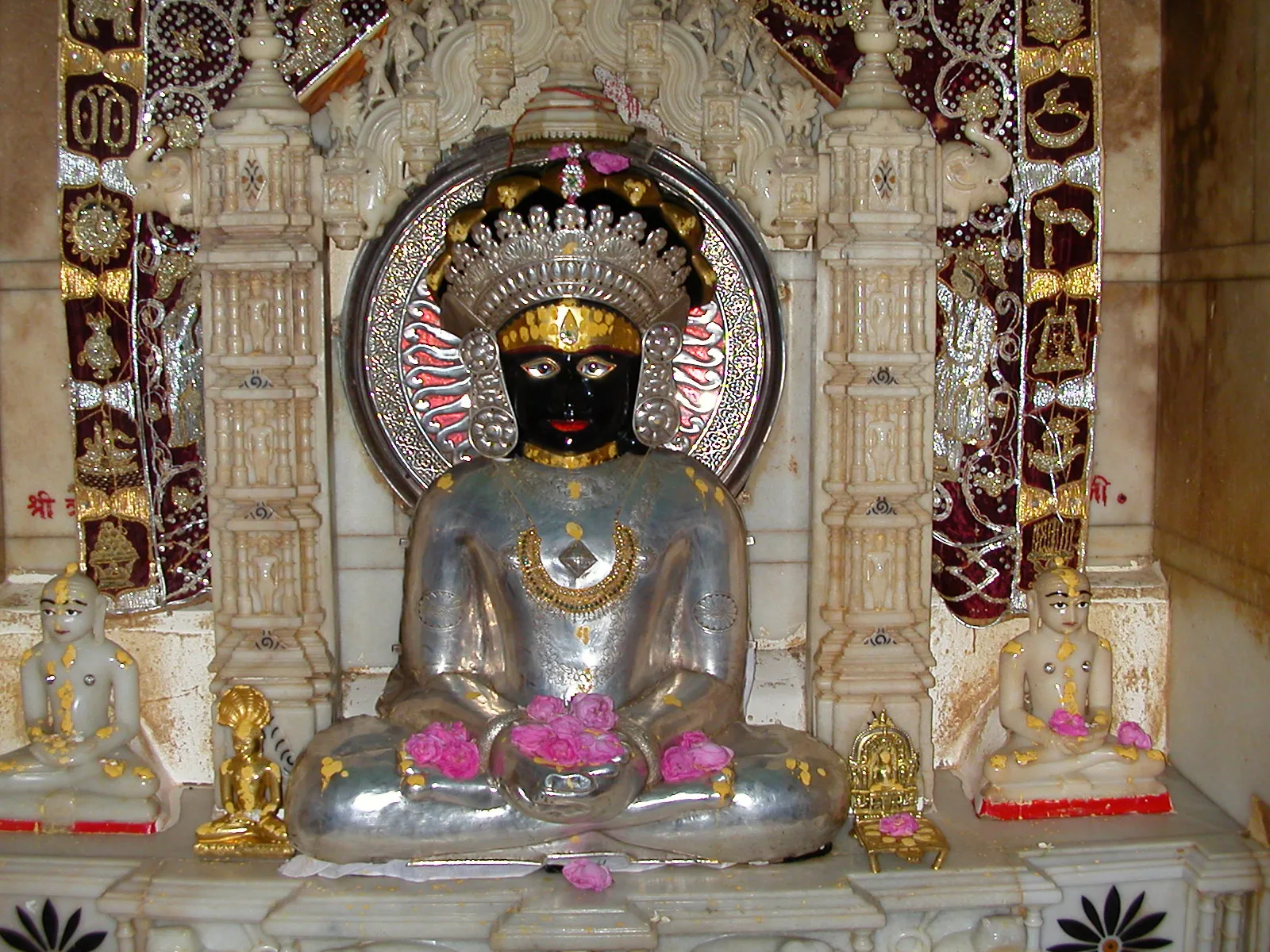
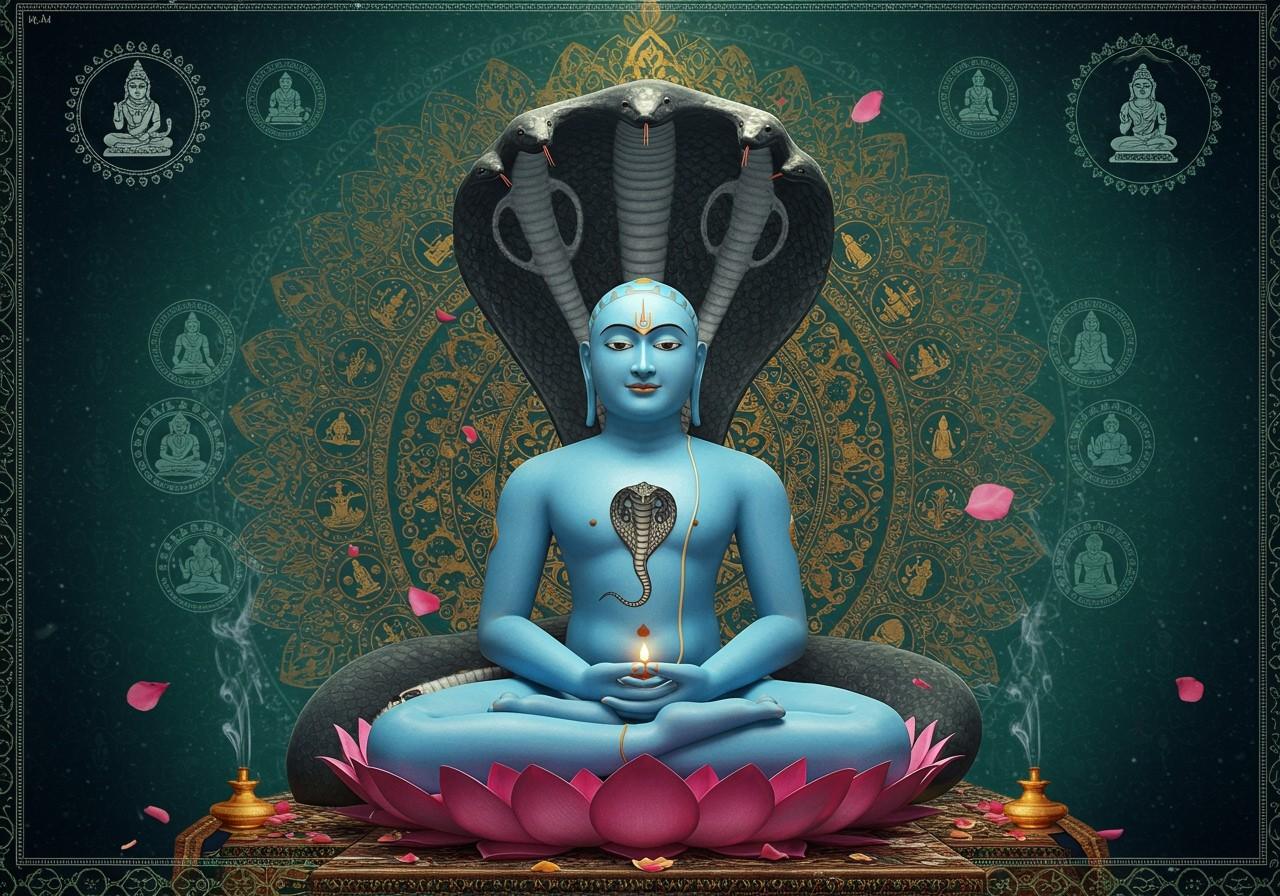
Sculpted statue of Parshvanath Bhagwan in serene meditative posture

An Introduction

A teacher whose silence still speaks across time.

Long before chronicled history settled the names of kings and conquests, a prince of Kāśī renounced a throne to walk the path of stillness. The world remembers him as Pārśvanātha.

Recognised as the twenty-third Tīrthaṅkara of the Jain tradition, Parshvanath Bhagwan is widely regarded by historians as a probable historical figure who lived around the eighth to seventh century BCE. His teachings — disciplined, compassionate and uncompromising in their reverence for life — became the spiritual current that the great reformer Mahāvīra would later restate, refine and revive.

What remains today is not a memory of doctrine alone, but a living architecture of conduct: four foundational vows that quietly shape how one breathes, eats, speaks, owns and acts. This is the eternal path he opened — and the invitation it still offers.

Read His Story
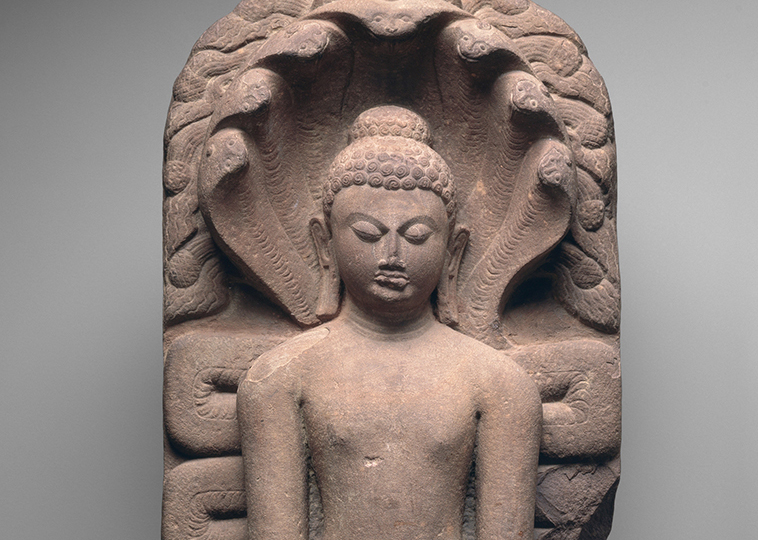
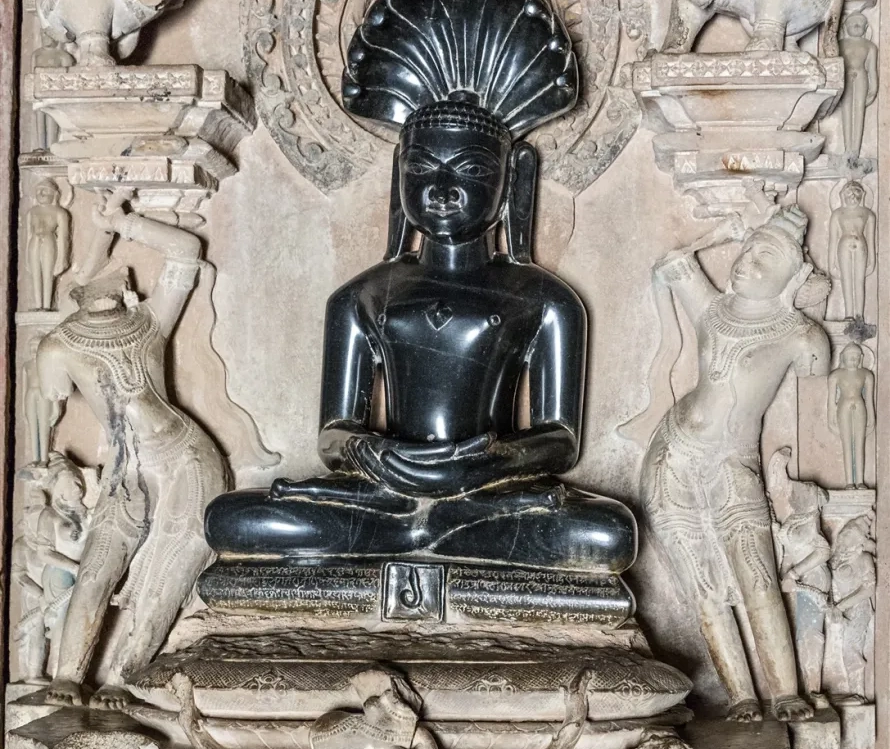
Detailed iconography of Parshvanath Bhagwan beneath the multi-hooded serpent canopy

Lāñchana · The Serpent Canopy

Sheltered by seven hoods. Unmoved by the storm.

The serpent that arched above the meditating ascetic became, for centuries to come, an emblem of protection, transcendence and unwavering inner stillness.

The Three Pillars

An invitation into his world.

Three doorways into the life, philosophy and enduring presence of Parshvanath Bhagwan — each a chapter, each a contemplation.

872 BCE
Traditional Birth Year
100 yrs
Length of His Life
4 Vows
Cāturyāma Dharma
250+
Years Before Mahāvīra
“All living beings hold their lives dear. To all, life is dear.
Hence the wise harm none — and embrace all with reverence.”
— A Teaching in the Tradition of Pārśvanātha

A Probable Historical Figure

Recognised by tradition.
Studied by historians.

Among all the twenty-four Tirthankaras, Pārśvanātha holds a singular place: he is widely regarded by modern Indological scholarship as a likely historical personage, predating Mahāvīra by approximately two and a half centuries and shaping the proto-Jaina ascetic order Mahāvīra would later inherit and transform.

A bridge between eras.

Pārśvanātha's followers, known as the Pārśvāpatya ascetics, were already an organised mendicant community when Mahāvīra entered spiritual life. Several of Mahāvīra's earliest disciples are recorded in the canonical texts as having transitioned from this order — a seamless lineage of practice across two epochs.

Where Mahāvīra would add the fifth vow of celibacy as distinct from non-possession, the four vows of Pārśvanātha — Cāturyāma Dharma — formed the original framework. His influence is therefore not merely doctrinal; it is the ethical bedrock upon which classical Jain philosophy was built.

View Historical Context
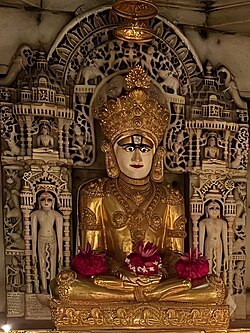
Ancient Jain iconography depicting Parshvanath Bhagwan in classical pose

Continue the Journey

Walk further into the Eternal Path.

Modern Relevance Visual Gallery